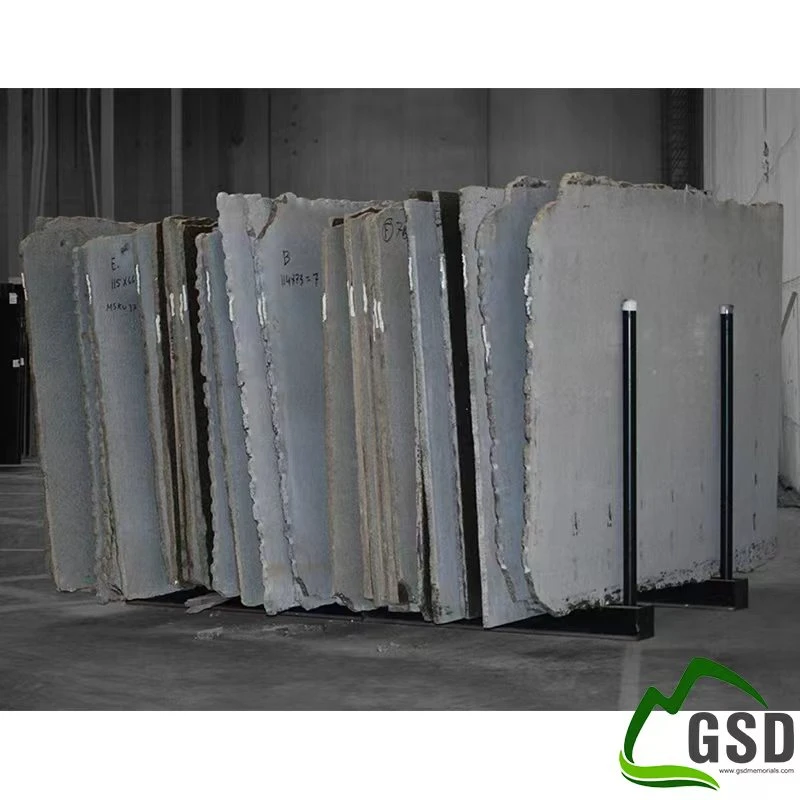
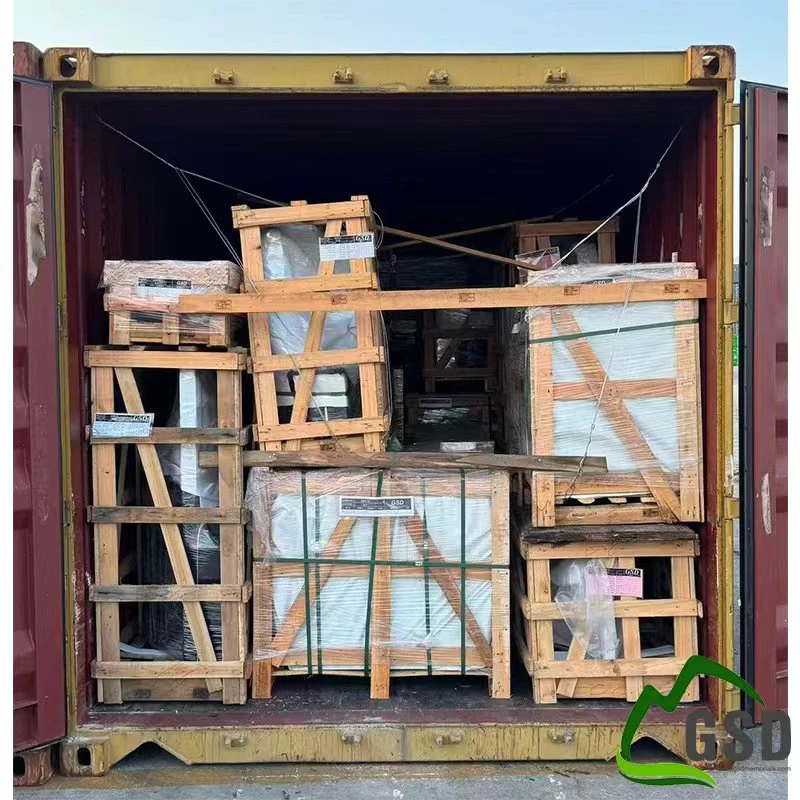
Polished granite slab transportation requires controlled support systems to prevent edge breakage, surface scratching and container movement damage. A frame steel racks provide reusable structural support for large slab shipments, while timber crating ocean shipping methods offer enclosed protection for mixed export orders. Monument grade granite with density around 2.9g/cm³ requires accurate weight distribution and impact control during international freight.
1. Structural Load Dynamics Of A Frame Racks Inside High Cube Containers
A frame steel racks stone freight systems are designed to distribute vertical slab weight through angled support structures. Proper rack loading reduces pressure concentration on slab edges and improves stability during ocean transportation.
Loading standards include:
- Steel rack structures calculated according to slab weight and container vibration conditions
- Slabs positioned at controlled angles to reduce direct stress on polished surfaces
- Rubber contact points installed between stone and steel support areas
- Weight distribution checked before container door sealing
- Internal blocking systems added for long distance ocean routes
For polished granite slabs, loading plans should consider slab thickness, size variation and surface finish. Large slabs with polished faces require protection from metal contact because small movements can create visible marks.
2. Foam Interleaving And Plastic Film Wrapping For Polished Slabs
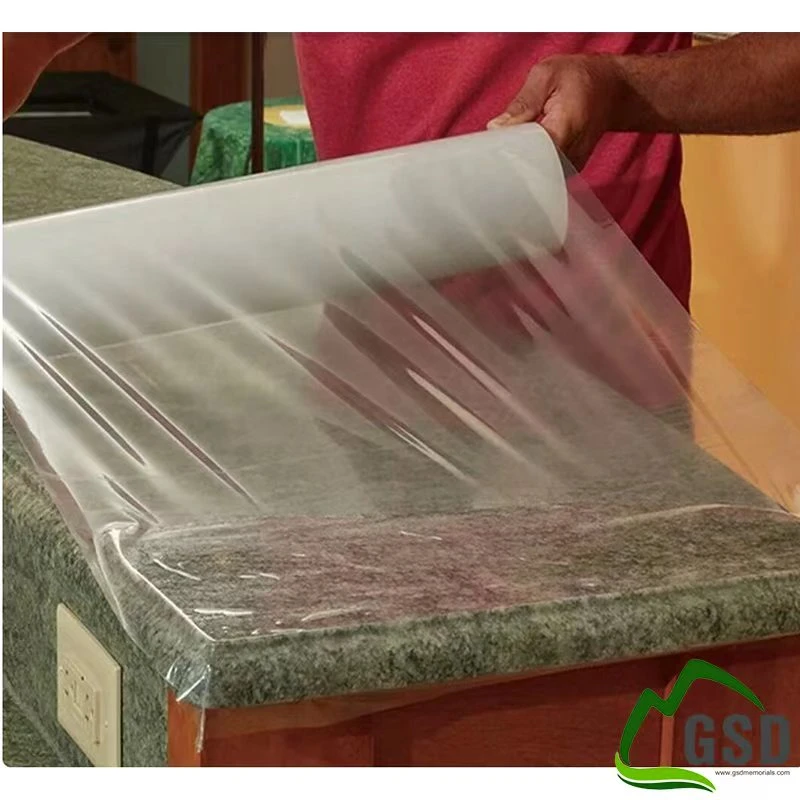
Polished slab freight safety depends on preventing friction between individual stone pieces. Foam interleaving and protective wrapping create separation layers during container movement.
Recommended protection methods include:
- Foam sheets placed between polished slab surfaces
- Plastic film wrapping to reduce dust and moisture exposure
- Corner protection installed on vulnerable slab edges
- Surface inspection before final packing
- Identification labels attached to each slab group
Timber crating ocean shipping remains widely used for smaller slab quantities and projects requiring enclosed protection. Export grade 2cm wooden crates with internal reinforcement provide additional impact resistance during handling.
Cost Benefit Analysis For Returnable Steel Racks Versus One Way Crates
The choice between steel racks and timber crates depends on shipment frequency, destination handling conditions and return logistics.
|
Packaging System |
Main Structure |
Typical Application |
Protection Method |
|
A Frame Steel Rack |
Reusable steel support frame |
Large recurring slab shipments |
Load distribution and vibration control |
|
Timber Crating |
Export grade wooden enclosure |
Mixed stone orders and single shipments |
Impact protection and isolation |
Steel racks provide long term value for regular importers with repeated container volume. Timber crates remain practical when return transport is unavailable or project destinations require disposable packaging.
Review our Contact Us page for freight planning support, stone packing requirements and international shipment coordination.
3. Forklift And Overhead Crane Unloading Protocols At Regional Depots
Safe unloading procedures reduce damage risks after ocean arrival. Polished slabs require controlled lifting methods because uneven handling forces can create cracks or edge fractures.
Recommended unloading procedures include:
- Using forklifts with suitable lifting capacity for rack weight
- Checking rack balance before movement
- Using overhead cranes with approved lifting clamps for large slabs
- Maintaining vertical slab position during transfer
- Inspecting slab surfaces after warehouse placement
Regional stone depots should prepare flat storage areas with stable supports. Direct ground contact should be avoided because moisture exposure may affect packaging stability and stone surface cleanliness.
Consult Our Stone Carving Experts for polished slab freight safety solutions, container loading methods and export packaging recommendations for international stone projects.
https://www.gsdmemorials.com/about-us