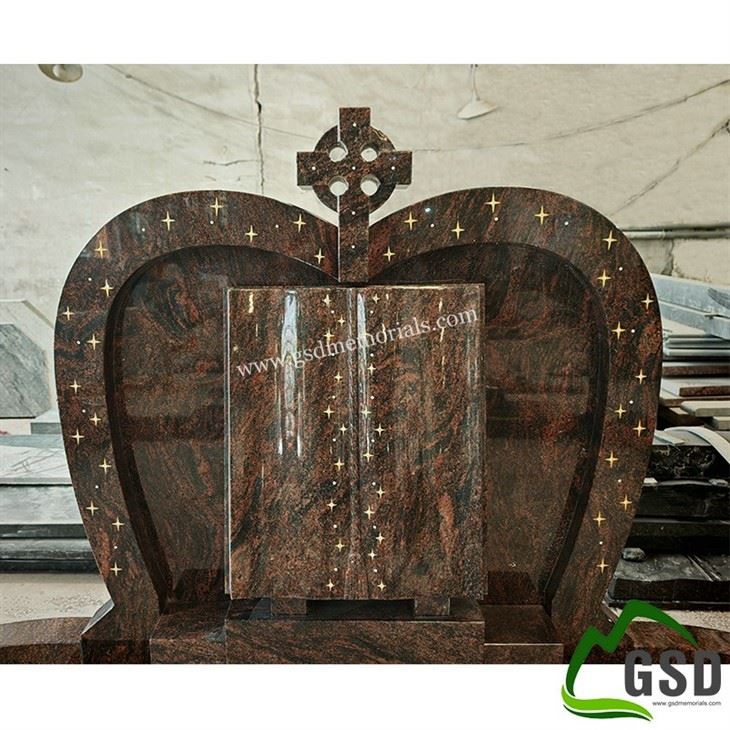
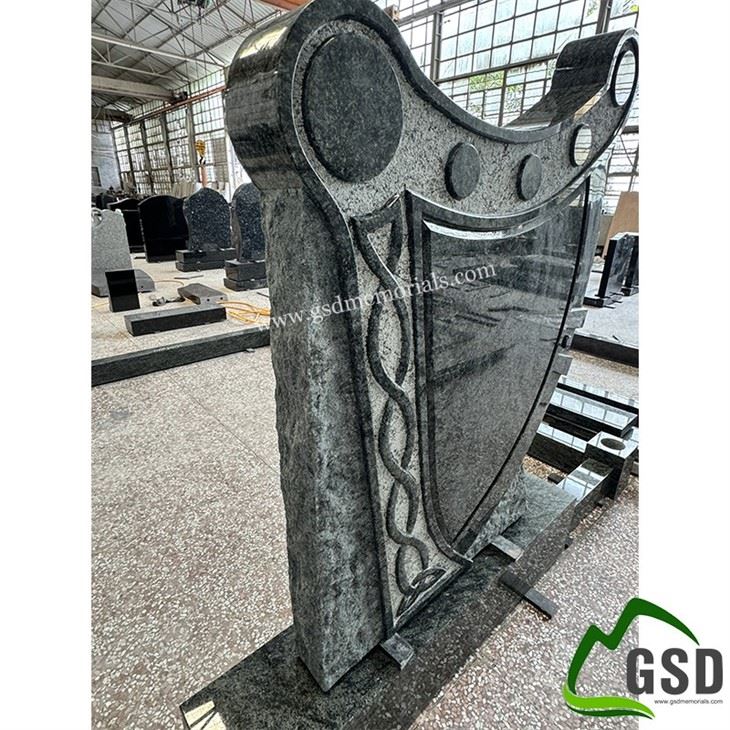
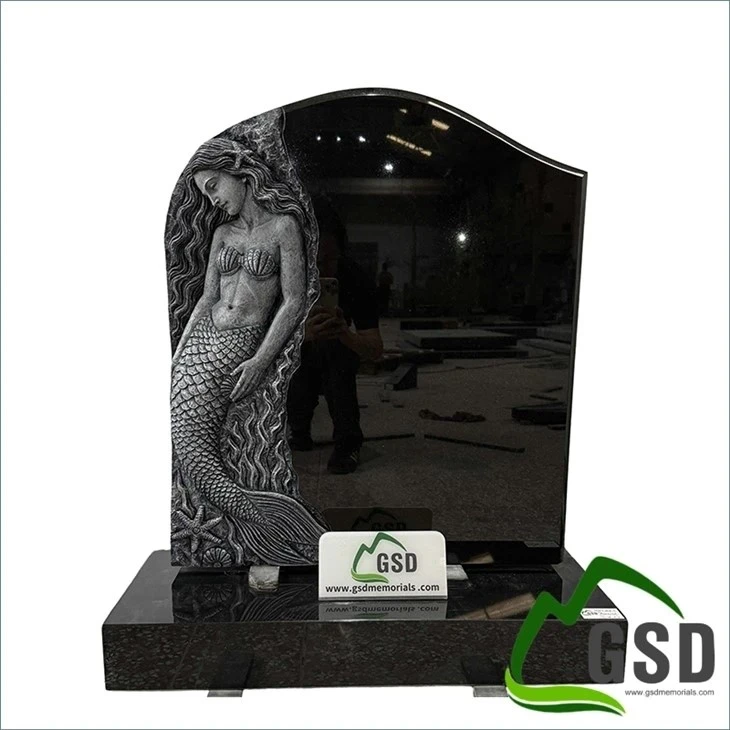
Multi axis waterjet cutting produces curved granite profiles, arched monument tops and complex stone contours without introducing heat affected zones. Abrasive waterjet systems use high pressure water mixed with garnet to cut hard stone, with cutting parameters adjusted for material thickness, density and geometry.
1. High Pressure Abrasive Waterjet Mechanics for Hard Granites
Abrasive waterjet cutting directs a concentrated water stream through a precision nozzle, where garnet abrasive is introduced to remove granite through erosion. Unlike thermal cutting, the process does not depend on heat to separate the material.
Key production parameters include:
Water pressure:
Set pressure according to machine specifications, material thickness and cutting requirements.
FOC CAD drawings should define the cutting path, material thickness, profile dimensions and reference points. Confirm the drawing before CNC programming and waterjet processing.
2. Executing Complex S Curves and Arched Tops Without Thermal Stress
Curved granite profiles often require multi-axis movement to maintain the correct cutting angle along changing contours. Five-axis waterjet equipment can control nozzle orientation and cutting direction, supporting inclined edges, compound curves and non-standard monument tops.
For S-curves and arched profiles, production planning should address:
- CAD geometry: Define curve radii, tangent transitions and finished dimensions.
- Cutting angle: Adjust nozzle orientation to reduce taper and maintain the intended profile.
- Support arrangement: Secure the slab against vibration and movement during cutting.
- Cutting sequence: Leave suitable holding sections where necessary to prevent narrow components from shifting.
- Edge finishing: Allow machining allowance for subsequent grinding and polishing.
Waterjet cutting avoids thermal damage, but it does not eliminate mechanical chipping or edge defects. Material support and cutting parameters remain important.
Tolerances and Edge Smoothness in Multi Axis Waterjet Cutting
Cutting accuracy depends on machine calibration, nozzle wear, material thickness, abrasive flow and path compensation. Tolerances should be specified in the approved CAD drawing rather than assumed from the machine's nominal positioning accuracy.
Request Free CAD Drawings for Bespoke Memorials to review S-curve geometry, arched dimensions and machining allowances before production.
3. Reducing Manual Roughing Time for Bespoke Monument Orders
Waterjet cutting can reduce manual rough shaping for monuments with repeated curves, angled shoulders and complex perimeter profiles. It creates the initial geometry before workers complete edge grinding, Ogee profile finishing, polishing or Hand carving statuary.
Recommended workflow:
- Inspect and approve the raw granite slab.
- Confirm CAD dimensions and multi-axis cutting paths.
- Perform sample cutting on representative stone.
- Complete waterjet rough profiling and dimensional inspection.
- Grind exposed edges and apply the specified Pitched edges or Ogee profile.
- Finish polishing and inspect the complete monument before packing.
For custom curved monuments and complex architectural stonework, explore our Bespoke Memorials collection. Consult us to review multi-axis cutting feasibility, profile tolerances and final surface requirements.
https://www.gsdmemorials.com/bespoke-memorials/